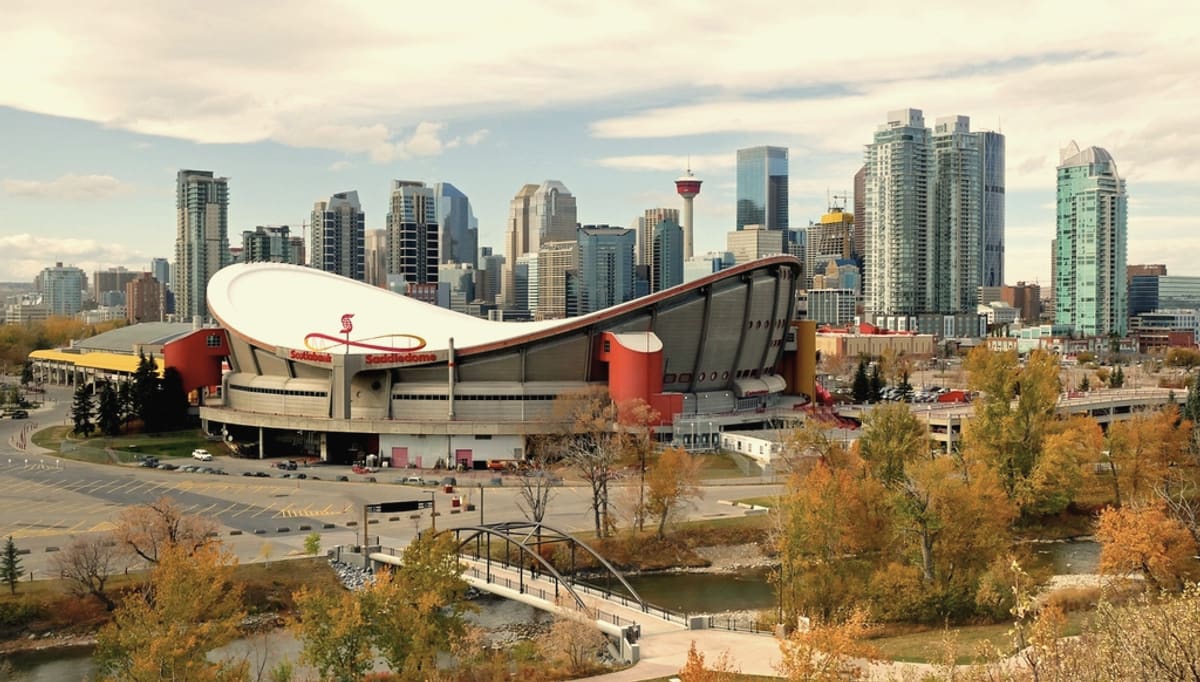
How it works in Canada
Canadian acquisition and divestiture work is centred in Calgary. A seller usually hires an A&D adviser who runs a process with a teaser, confidentiality agreement and a virtual data room open for several weeks. Bidders review land, reserves, production and liabilities, then submit offers. Many deals are asset sales of wells, pipelines and facilities rather than share purchases, which makes regulatory licence transfers a central closing condition.
Technical teams download large production histories, well logs, seismic licences and economics files. Land teams check Crown and freehold leases, rights to depth and gross overriding royalties. Environmental teams look at abandonment and reclamation obligations and the inactive well count. Each group needs different access, and seismic data often has licence terms limiting who may see it and in what form.
Alberta is the largest market, with Saskatchewan and northeast British Columbia close behind. The BC Energy Regulator and Saskatchewan's Ministry of Energy and Resources run their own licensing and liability programs, and Alberta's Orphan Well Association funds cleanup when licensees fail. A package that crosses provincial lines needs a regulatory folder for each regulator and a well list that shows which one licenses each asset.
Best data rooms for oil and gas
Our five criteria, re-weighted for this use case, plus a small bonus for providers built around it.
- 1
 Ellty ~C$211/mo 9.4 Visit Ellty
 - 2
 Datasite Quote 8.9
 - 3
 iDeals Quote 8.9
 - 4
 Ansarada Quote 8.7
 - 5
 Drooms Quote 8.5
 - 6
 Firmex Quote 8.5
 - 7
 Intralinks Quote 8.4
 - 8
 SmartRoom Quote 8.4
 - 9
 CapLinked ~C$423/mo 8.2
 - 10
 DealRoom Quote 8.0
What goes in the data room
- 0101 Process
Teaser, confidentiality agreement, bid instructions and draft purchase and sale agreement.
- 0202 Reserves
Independent reserves report, Form 51-101F2, price deck, type curves and economic runs.
- 0303 Land
Mineral property report, Crown and freehold lease schedules, rights to depth, encumbrances and ROFRs.
- 0404 Wells and facilities
Well list with UWI, licence numbers, status, facility licences and pipeline licences.
- 0505 Production and operations
Monthly production by well, Petrinex data, lease operating statements and processing agreements.
- 0606 Liability management
AER liability data, inactive well inventory, closure spend history and security deposits.
- 0707 Environmental
Spill records, remediation and reclamation certificates, Phase I and II reports.
- 0808 Marketing and midstream
Gas marketing, transportation, processing and NGL contracts.
- 0909 Seismic
Seismic licences and transfer restrictions; viewing only under licence terms.
- 1010 Indigenous and surface
Surface leases, Surface Rights Board orders and agreements with First Nations and Métis communities.
- 1111 Royalties and tax
Royalty statements, freehold mineral tax, tax pools and gross overriding royalty agreements.
Canadian rules that apply
NI 51-101
Reporting issuers file annual reserves data on Form 51-101F1, with a report from an independent qualified reserves evaluator or auditor on Form 51-101F2 and a management and directors report on Form 51-101F3. Buyers rely on the evaluator's report and may ask for reliance.
AER Directive 088
Since December 2021, Directive 088 sets the AER's licensee life-cycle management framework. It uses a broader licensee capability assessment for licence eligibility and transfers, replacing use of the LMR ratio in the transfer process, though LMR still appears in some rules and lender covenants.
AER Directive 067
Directive 067 sets eligibility to hold AER licences. A buyer must be eligible before transfers can be approved, and the AER can attach conditions or require security based on its assessment of the buyer's capability and existing liabilities.
Features to insist on
| Data room | Bulk upload | View and download rights | Dynamic watermarks | Activity log | Q&A module |
|---|---|---|---|---|---|
| Ellty | Yes | Yes | Yes | Yes | Yes |
| Datasite | Yes | Yes | Yes | Yes | Yes |
| iDeals | Yes | Yes | Yes | Yes | Yes |
| Ansarada | Yes | Yes | Yes | Yes | Yes |
| Drooms | Yes | Yes | Yes | Yes | Yes |
| Firmex | Yes | Yes | Yes | Yes | Yes |
| Intralinks | Yes | Yes | Yes | Yes | Yes |
| SmartRoom | Yes | Yes | Yes | Yes | Yes |
- Bulk upload. Upload an entire set of nested folders at once, with the index numbers kept as they were.
- View and download rights. Choose, document by document, whether a guest may only read, may print or may download, and change it later.
- Dynamic watermarks. The reader's identity and the date are printed across every page, which discourages screenshots and identifies the source of a leak.
- Activity log. Per-user history of opens, prints and downloads with timestamps, which you can export for the closing binder.
- Q&A module. Bidders post questions inside the room; counsel or the CFO drafts the reply, someone approves it, and every exchange stays on file.
How to set it up
- 1Commission an updated reserves report
Get an evaluation with an effective date close to launch from an independent qualified reserves evaluator. Post it with the economics files and the price deck used so bidders can run their own pricing and decline cases against the same base.
- 2Build the well and licence list
Export a well list with UWI, AER or BCER licence numbers and status, and match it line by line to the land schedule. A mismatch between land and licences is a common source of price chips late in the process.
- 3Prepare the liability folder
Show the AER inactive inventory, closure spend history, any security deposits and how the transfer might affect a buyer's capability assessment. Bidders price this directly, and the regulator will look at the same numbers.
- 4Restrict seismic viewing
Seismic licences often allow viewing by bona fide purchasers but forbid copying. Use view-only rights with downloads and printing disabled, and keep the log of who viewed which line as proof of compliance.
- 5Group teams by discipline
Set separate groups for engineering, land, environmental and finance reviewers. Each sees what it needs, and the seller sees from the activity report which bidders did real technical work before the bid date.
Common mistakes
- Relying on an old reserves report with a stale price deck.
- Leaving out inactive wells and closure obligations, which surface when the AER reviews the transfer.
- Allowing seismic downloads in breach of licence terms.
- Ignoring Saskatchewan or BC wells in a mostly Alberta package until the regulator flags them.
FAQ
Is LMR still used for AER licence transfers?
The AER moved its transfer review to a broader licensee capability assessment under Directive 088, effective December 2021. The LMR ratio still appears in some AER rules and in many bank covenants, so data rooms often show both. Confirm the current status on the AER's directive pages before relying on either measure.
What reserves data do bidders expect?
An independent reserves report with an effective date close to launch, prepared to the COGE Handbook and NI 51-101 standards, plus type curves, economic runs, and the price deck used. Technical teams also want well-level production history so they can test decline assumptions themselves.
How do I share seismic data legally?
Read the licence first. Most seismic licences limit viewing to bona fide purchasers and forbid copying or transfer without the licensor's consent, and some require a fee on transfer. Use view-only access, block downloads and printing, and keep the activity log as proof that the terms were followed.