The deal market in Ontario
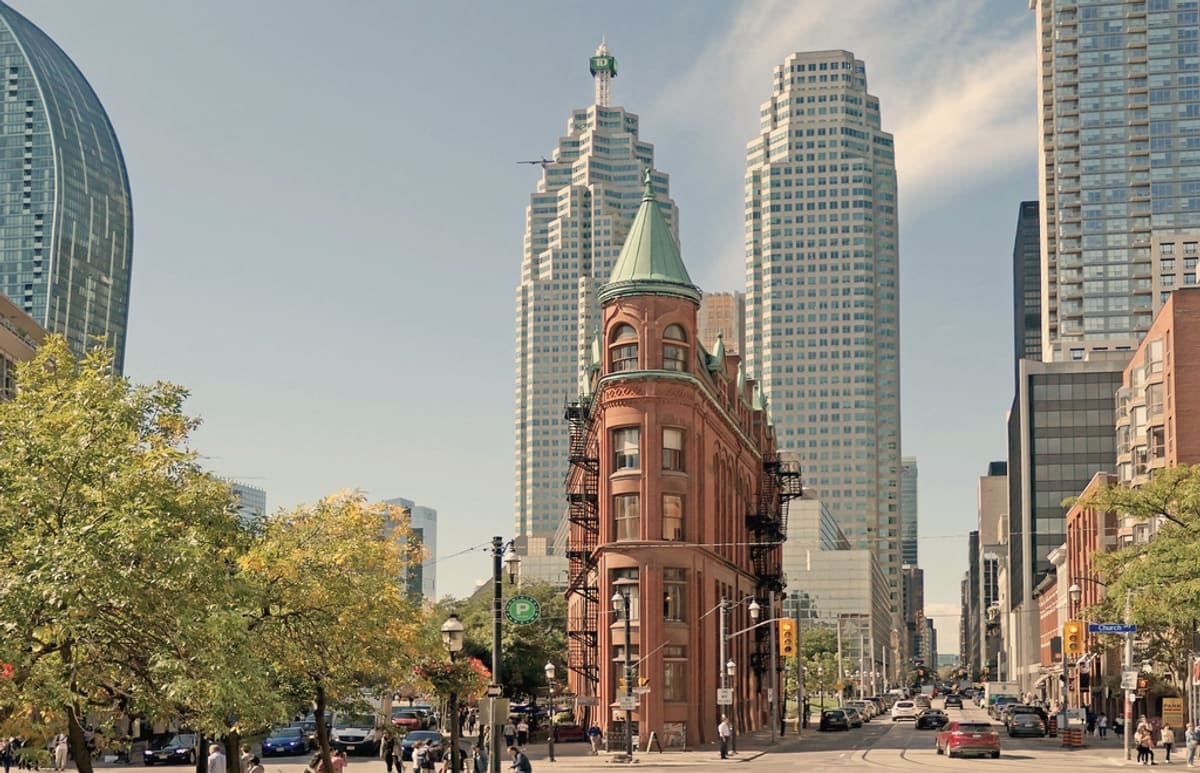
Toronto is the country's largest financial centre. TMX Group runs the Toronto Stock Exchange and TSX Venture Exchange from here, the big banks run their investment banking and capital markets desks from Bay Street, and the national law firms keep their largest M&A and securities groups downtown. CPP Investments, the Ontario Teachers' Pension Plan, OMERS and HOOPP are all headquartered in the city. That concentration means a steady flow of public takeovers, private equity buyouts, debt refinancings and prospectus offerings, nearly all of which run their diligence through a virtual data room.
Outside the core, deal work follows the regional economy. Ottawa and Waterloo Region feed software, cybersecurity and hardware sales to strategic buyers in Canada and the United States. The auto corridor running through Windsor, Oakville, Cambridge and Alliston generates supplier acquisitions and plant carve-outs, while Hamilton's industrial base keeps steel and fabrication assets changing hands. In the north, Sudbury, Timmins and Red Lake host nickel and gold mines whose owners raise money and trade properties on Toronto's exchanges, so Ontario rooms often hold mine plans next to bank credit files.
Owner retirement is another source of mandates. Thousands of family-held manufacturers, distributors, farms and professional practices across southwestern and eastern Ontario are coming up for sale or succession, and buyers expect the same organized document set a larger target would provide. Real estate adds volume: Toronto hosts many of Canada's REITs, and condo, rental and industrial projects across the Greater Toronto Area need lender, joint venture and buyer diligence at every stage.
Sectors that fill data rooms
Banking, insurance and asset management
Bank, insurer and wealth manager deals involve regulatory approvals from OSFI or the provincial regulator, client book transfers and long chains of outsourcing contracts. Data rooms here are large, permission-heavy and closely watched by compliance teams on both sides.
Technology and software
Toronto, Ottawa and Waterloo Region produce a constant run of venture rounds, growth equity deals and exits to strategic buyers. Rooms carry cap tables, SR&ED claims, source code escrow terms, customer contracts and privacy policies that US acquirers check closely.
Mining
Ontario hosts working mines around Sudbury, Timmins and Red Lake and the undeveloped Ring of Fire. Financings and property sales rely on NI 43-101 technical reports, mining claim records, First Nations agreements and closure plans filed under the Mining Act.
Automotive and advanced manufacturing
Parts suppliers, tooling shops and assembly plants change hands as automakers retool for electric vehicles. Buyers ask for customer program awards, warranty history, environmental site assessments, union agreements and equipment lists for each plant.
Real estate and REITs
Toronto-based REITs, pension real estate arms and private developers trade office, industrial and multi-residential assets across the province. Rooms hold rent rolls, leases, building condition reports, Phase I and II environmental reports and Land Titles searches.
Life sciences and health care
MaRS and the Toronto hospital research network spin out drug, device and digital health companies. Their deals put Health Canada licences, clinical trial files and PHIPA compliance records in front of investors and acquirers.
Rules that touch the room
The OSC administers Ontario's Securities Act and is the principal regulator for most TSX issuers. Private placements use the NI 45-106 exemptions, and issuers file a report of exempt distribution within 10 days of closing. Insider and related-party deals must also respect MI 61-101.
Ontario has no general private-sector privacy statute, so PIPEDA governs personal information in commercial deals, including the business transaction exception in section 7.2. Clinics, pharmacies, labs and other health information custodians are also bound by Ontario's Personal Health Information Protection Act, which sets stricter rules for patient records.
Most Ontario companies are incorporated under the OBCA and filed through the Ontario Business Registry. Since January 1, 2023, private OBCA corporations must keep a register of individuals with significant control, which buyers now expect to find with the minute books and share registers.
Almost all Ontario land has been converted to the Land Titles system and is searched by parcel register. A 25% non-resident speculation tax applies across the province to residential purchases by foreign nationals and foreign entities, which matters in multi-residential and portfolio deals.
Use cases in Ontario
Sales tax on a data room in Ontario
A business in Ontario pays HST 13% on a software subscription: a C$211 monthly plan comes to about C$238 with tax. GST/HST registrants can usually recover the GST/HST part as an input tax credit. Pick your province in the calculator to compare.
Top data rooms for Ontario deals
- 1
 Ellty
ElltyFits m&a, startup fundraising, private equity. Head office: Australia, since 2020.
~C$211/mo14-day free trial8 of 12 features9.2/10Excellent - 2
 iDeals
Fits m&a, cross-border deals, law firms. Head office: United Kingdom, since 2008.
QuoteFree trial offered9 of 12 features8.7/10Excellent - 3
 Datasite
Fits m&a, sell-side due diligence, tsx ipo. Head office: United States, since 1999.
QuoteDemo only, no trial10 of 12 features8.6/10Excellent - 4
 Ansarada
Fits sell-side due diligence, board of directors, m&a. Head office: Australia, since 2005.
QuoteFree trial offered8 of 12 features8.5/10Very good - 5
 Firmex
Fits law firms, ccaa restructuring, m&a. Head office: Canada, since 2006.
QuoteFree trial offered7 of 12 features8.4/10Very good
FAQ
Do Ontario deals need a data room hosted in Canada?
Not by default. PIPEDA does not require private-sector data to stay in Canada, but you remain responsible for personal information sent to a service provider abroad and should tell people it may be processed outside the country. Hospitals, public bodies and some lenders set Canadian residency in their contracts, so check the target's agreements before choosing a host.
Can a seller share employee files with a buyer before closing?
Yes, within limits. Section 7.2 of PIPEDA allows disclosure without consent for a prospective business transaction if the information is needed to decide whether to proceed and the buyer agrees in writing to use it only for the deal, protect it, and return or destroy it if the deal fails. Share summaries first and full files only to a small group.
How is HST charged on a data room subscription in Ontario?
A business located in Ontario pays 13% HST on a data room subscription from a GST/HST-registered supplier. A registered buyer can usually claim that amount back as an input tax credit. Foreign vendors selling digital services into Canada may also have to register and charge the tax.