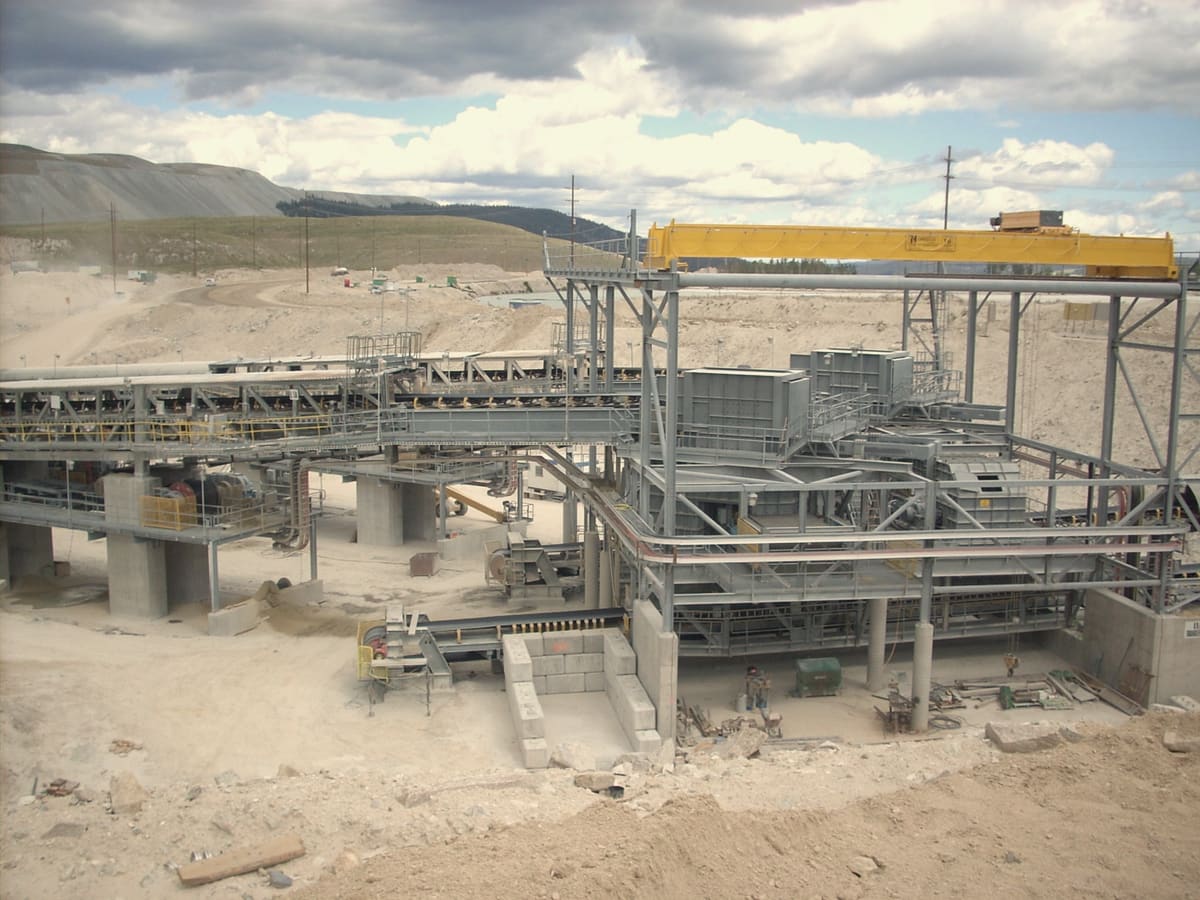
How it works in Canada
Flow-through shares let a mining or eligible clean energy company pass its exploration deductions to investors, who deduct the amounts on their own returns. Investors often add the 15% mineral exploration tax credit or the 30% critical mineral exploration tax credit, plus provincial credits. That makes flow-through a core funding tool for junior explorers listed on the TSXV and CSE, especially in BC, Ontario and Quebec.
Since agreements entered into after March 31, 2023, oil, gas and coal exploration and development no longer qualify. Clean energy projects can still flow through Canadian renewable and conservation expenses. The change came from the 2022 federal budget. Rooms for energy issuers therefore need to show clearly which expenses fund eligible clean energy work and which fund other activity, because only the first can be renounced under new agreements.
The work does not end at closing. The issuer must spend the money on qualifying Canadian exploration expenses within the allowed time, renounce them to investors and file renunciation forms with CRA. If spending falls short, the issuer must reduce the renunciation and indemnify investors. A clear spending folder is what protects both sides. Auditors, tax advisers and investors all rely on that same folder.
Best data rooms for flow-through financing
Our five criteria, re-weighted for this use case, plus a small bonus for providers built around it.
- 1
 Ellty ~C$211/mo 9.4 Visit Ellty
 - 2
 iDeals Quote 8.7
 - 3
 Datasite Quote 8.5
 - 4
 Ansarada Quote 8.4
 - 5
 Firmex Quote 8.3
 - 6
 Drooms Quote 8.2
 - 7
 Intralinks Quote 8.1
 - 8
 SmartRoom Quote 7.9
 - 9
 CapLinked ~C$423/mo 7.9
 - 10
 Box ~C$21/user/mo 7.9
What goes in the data room
- 0101 Flow-through agreements
Subscription and flow-through agreements, charity or premium structure documents if used.
- 0202 Offering and closing
Offering document, Form 45-106F1, hold period records and agent documents.
- 0303 Exploration program
Board-approved budget, work program and qualified person's attestation for credit eligibility.
- 0404 Technical reports
NI 43-101 reports, drilling results, assay certificates and geological reports.
- 0505 Spending records
Invoices, contracts with drillers and geologists, payroll, allocations by property and expense type.
- 0606 Renunciation filings
Renunciation forms, summaries, T101 slips to investors, CRA correspondence.
- 0707 Part XII.6 tax
Calculations and payments under the look-back rule, shortfall reductions.
- 0808 Provincial credits
Provincial flow-through credit filings, for example BC mining flow-through credits or Ontario focused credits.
- 0909 Property and tenure
Claims, permits, First Nations agreements and exploration permits for each project.
- 1010 Indemnities
Investor indemnity provisions and any claims made under them.
Canadian rules that apply
Canadian exploration expense and renunciation
The Income Tax Act lets a principal business corporation renounce Canadian exploration expense (deductible at 100%) or Canadian development expense to flow-through investors. The issuer files renunciation forms with CRA and issues T101 slips to investors.
Look-back rule
Under the look-back rule, expenses incurred in the calendar year after the agreement can be renounced effective December 31 of the agreement year. The issuer pays Part XII.6 tax on unspent amounts during that period and must fix any shortfall.
METC and critical mineral credit
The 15% mineral exploration tax credit was renewed to March 31, 2027, and the 30% critical mineral exploration tax credit also runs to that date. Budget 2025 expanded the critical minerals list for agreements signed after November 4, 2025. Eligibility depends on target minerals and a qualified person's statement.
Features to insist on
| Data room | Activity log | Bulk upload | Dynamic watermarks | Q&A module |
|---|---|---|---|---|
| Ellty | Yes | Yes | Yes | Yes |
| iDeals | Yes | Yes | Yes | Yes |
| Datasite | Yes | Yes | Yes | Yes |
| Ansarada | Yes | Yes | Yes | Yes |
| Firmex | Yes | Yes | Yes | Yes |
| Drooms | Yes | Yes | Yes | Yes |
| Intralinks | Yes | Yes | Yes | Yes |
| SmartRoom | Yes | Yes | Yes | Yes |
- Activity log. Per-user history of opens, prints and downloads with timestamps, which you can export for the closing binder.
- Bulk upload. Upload an entire set of nested folders at once, with the index numbers kept as they were.
- Dynamic watermarks. The reader's identity and the date are printed across every page, which discourages screenshots and identifies the source of a leak.
- Q&A module. Bidders post questions inside the room; counsel or the CFO drafts the reply, someone approves it, and every exchange stays on file.
How to set it up
- 1Confirm eligibility before marketing
Check that the company is a principal business corporation, that the planned work is Canadian exploration expense and, for the critical mineral credit, that a qualified person can attest to target minerals. Keep the analysis in the room.
- 2Organize the program by property
Create folders for each property and expense type, so spending can be tracked against what was renounced. Mixed records are what makes CRA reviews painful. Tag each document with property and year.
- 3Upload invoices monthly
Have the finance team upload invoices and contracts monthly with a short allocation note. Bulk upload saves time during drilling season, when field invoices pile up. Late invoices cause most shortfalls.
- 4Track the look-back period
Keep a running schedule of amounts raised, amounts spent and amounts still to be spent before the deadline, with Part XII.6 tax calculations. Review it at every board meeting. Flag shortfalls early.
- 5File renunciations and keep the proof
Prepare and file renunciation forms and T101 slips with CRA on time and keep copies with the supporting spend. Give the auditor and tax adviser access to the same records.
- 6Keep the record after closing
CRA can review renunciations years later. Keep the room or a full export with the activity log until the reassessment period has passed. Make sure the export includes invoices and allocations.
Common mistakes
- Raising flow-through money for oil and gas work, which no longer qualifies for new agreements.
- Spending flow-through funds on non-qualifying costs such as general administration.
- Missing the look-back spending deadline and then having to reduce renunciations.
- Claiming the critical mineral credit without a qualified person's attestation on the target minerals.
FAQ
Can oil and gas companies still issue flow-through shares?
Not for oil, gas or coal exploration and development under agreements entered into after March 31, 2023. Mining companies still can, and clean energy projects can flow through Canadian renewable and conservation expenses. The data room should show which program the money funds.
What is the look-back rule?
It lets an issuer renounce exploration expenses to investors effective the end of the year the agreement was signed, even though the money is spent during the following calendar year. The issuer pays Part XII.6 tax on unspent amounts and must reduce renunciations if spending falls short.
What records does CRA want to see?
Invoices, contracts, payroll and allocations showing that each renounced dollar was a qualifying exploration expense incurred in Canada within the time allowed. For the critical mineral credit, CRA also expects the qualified person's attestation. A well-organized spending folder answers most questions.